
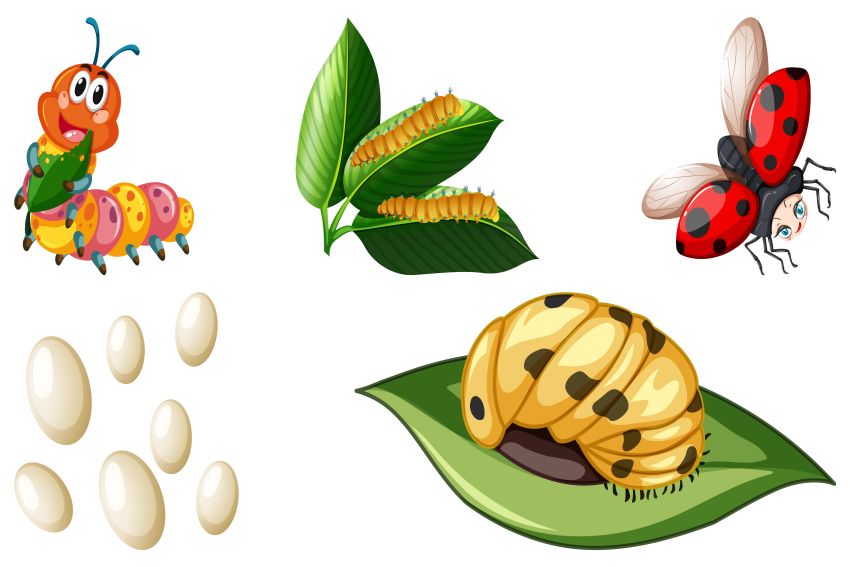
June bugs are basically scarab beetles in the genus Phyllophaga, not cockroaches or anything like that. There are a ton of June bugs, a sort of beetle-looking species across North America, and over 100 different Phyllophaga species. In the South, one common type is called the green June beetle. “These adult beetles are very common and can be seen flying towards the light during early summer evenings,” says Midhula Gireesh, assistant professor and extension specialist in the University of Tennessee’s Department of Entomology and Plant Pathology. “As they are weak flyers, they are often seen crashing into windows or porch screens.”
June bugs measure from a bit over half an inch up to nearly 1 inch long, and their shade can run from reddish brown to almost black, too.
Heightened Temperatures
So, one of the main things behind a lawn that starts to falter in June is hot weather. As summer gets closer, a lot of grasses, especially those that tend to do well in cooler seasons, start dealing with heat stress. That kind of stress can set off stalled growth, fading color, and blades that turn brittle. “Heat causes the grass to slow its growth while moisture evaporates much faster from the soil,” Matthews explains. Of course, you can’t really control the forecast, but you can build in a cushion so your lawn can handle the intense temperatures a little better. Water your grass deeply during dry spells, and mow with a higher setting, too, to protect the roots. This is very important in the June bug life cycle.
Improper Mowing
Believe it or not, your mowing technique can make or break the look of your lawn. If you cut your grass too short (otherwise known as scalping), you’ll remove too much of the blade, which will weaken your lawn’s ability to bounce back from summer stress. And if you use a dull blade, you’ll end up with tears across your grass, and it may start looking worn out. To keep your grass healthy all summer long, Matthews suggests a simple fix: “Mow a little higher to shade the soil, and make sure mower blades stay sharp to prevent unnecessary damage to the grass.” Also, try not to cut more than one-third of the blades at once, because that extra stress can add up.
Neglected Watering
Because rain is usually more consistent in spring, you can sometimes get away without watering as often. But once June shows up, rainfall is less steady, and the temperatures rise. The blades, meanwhile, are basically craving more hydration, but water loss happens faster. When your lawn doesn’t get enough moisture in June, it can wilt, shift color, or simply dry up. So what’s the solution? Instead of giving your grass a quick light sprinkling, Matthews recommends watering deeply, especially early in the morning, so less water evaporates.
Compacted Soil
As the weather heats up, your lawn gets way more foot traffic, whether it’s from pets, kids, visitors, lawn mowing, or really all of the above. That can make the soil compacted, which basically blocks water, nutrients, and oxygen from reaching the roots, as Matthews says. Then by June, your grass might end up sparse, kind of wispy, or just not thriving. If the ground feels firm or you see water standing in puddles on top, you might want to aerate the lawn. That process makes small holes so the roots can grab what they need more easily
Rapidly Growing Weeds
Weeds tend to surge during summer. June especially creates ideal conditions for quick spreaders like crabgrass to move in fast and fairly widely. If you want to avoid a lawn that looks weedy, uneven, or messy, pull weeds before they manage to set seed. You can keep everything looking healthy through mowing and watering in the right way, or if you prefer a clean reset, you can replace grass with turf.
Increased Pest Activity
June is also the time when insect activity and fungal diseases start to rise, especially if the lawns are already kind of under stress, Matthews says. When pests show up, you may notice the turf looking worse, like yellowing, thinning out, or blades that look faded. And since some dead areas can resemble drought damage, inspect those spots extra carefully and don’t just guess. If pests are the reason, then pinpoint the exact insect first, so you can follow the right treatment plan.
More Fungal Diseases
With the warmer days and higher humidity in June, fungal diseases often start to increase too. Because fungus can show up as discolored patches or as thinning zones, you might mistake it for watering issues. Still, if you suspect fungus, skip watering late at night, don’t overdo fertilizing, and aerate the lawn if that’s needed. If the fungal infection keeps hanging around, you may need a targeted fungicide.
Frequently Asked Questions (FAQs)
How long are June bugs a threat to gardens?
They pose a threat to gardens because they chew up the leaves of garden plants and can even kill plants once an infestation has started.
What is the fastest way to get rid of June bugs?
If you are trying to get rid of existing June bugs, adult June bug traps are pretty quick, but you’ll still need to deal with the larvae. The best approach for both the mature beetles and the larvae is to apply a curative insecticide ahead of time in early fall.
UploadBlog For Tech is a trusted technology blog that shares the latest tech news, product reviews, trending topics, software tips, digital innovations, and helpful guides.